
The words sports drink and energy drink are often used like they belong in the same conversation. For young athletes, they should be treated very differently.
One category is built around fluid, carbohydrate, and electrolytes. The other often uses caffeine or other stimulants. Parents and coaches should know the difference before anything goes in a practice bag.
Water comes first
The American Academy of Pediatrics has emphasized water as the main hydration source for children and adolescents. HealthyChildren.org also describes water and milk as the core drinks kids need day to day.
That does not mean sports drinks never have a role. It means they should be used for the right context, not as a daily replacement for water.
When a sports drink may fit
Sports drinks can be useful when exercise is vigorous, long, hot, or sweat-heavy. HealthyChildren.org notes that electrolyte-supplemented beverages may be necessary when vigorous exercise extends beyond one hour in a day or a child is sweating a lot.
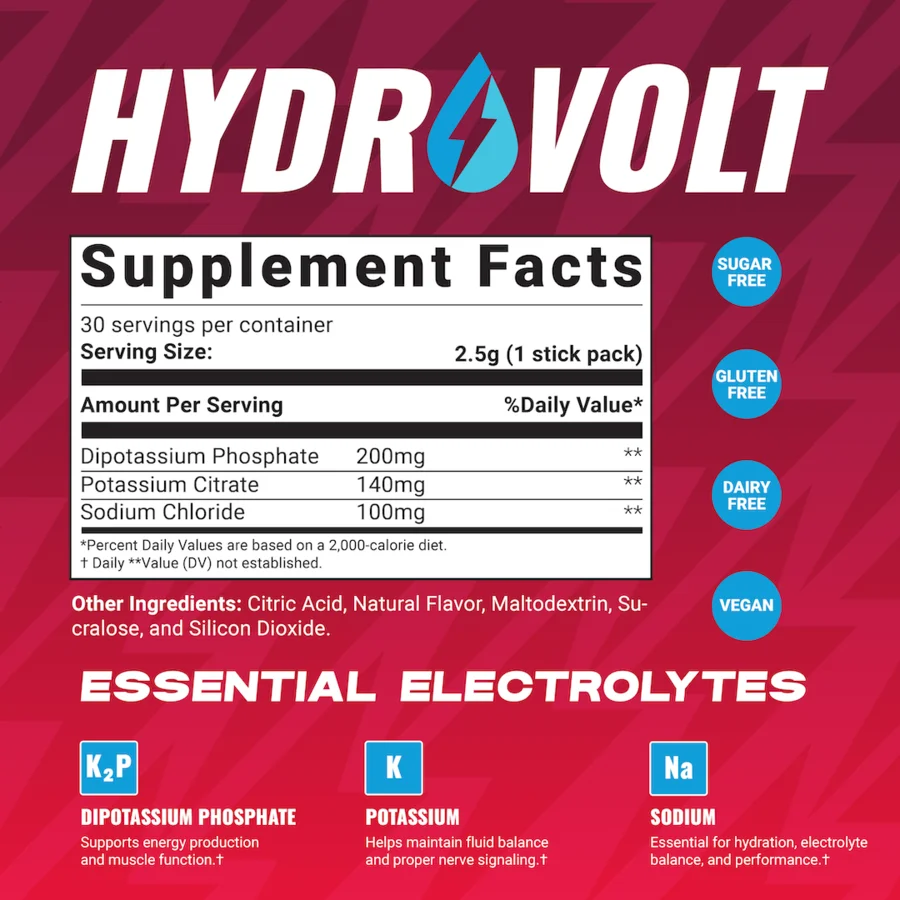
Parents should still compare sugar, sodium, dyes, serving size, and instructions.
Why energy drinks are different
Energy drinks are not hydration drinks. The AAP policy statement says stimulant-containing energy drinks have no place in the diets of children or adolescents.
For young athletes, the concern is not only sugar. It is also caffeine and other stimulant ingredients that do not belong in a normal hydration plan.
Parent label checklist
- Is there caffeine or a stimulant blend?
- How much added sugar is in one bottle or serving?
- Does the label list sodium and potassium clearly?
- Is the product intended for children, teens, or adults?
- Does the athlete have parent, coach, team, and medical guidance when needed?
Next step
For more parent- and coach-focused hydration education, read through the Youth Athlete Hydration hub.