
Outdoor crews do not need complicated hydration advice. They need a simple plan that works when the job is hot, physical, and moving fast.
The goal is not to replace a full heat illness prevention program. It is to make hydration easier to plan, easier to access, and easier to repeat across long shifts.
Start with water access
Water is still the foundation. OSHA says employers should provide cool water for workers and encourage regular drinking during heat exposure. CDC/NIOSH also recommends making cool, potable water accessible near the work area.
For crews, that means the water plan should be visible before the shift starts. Workers should know where water is, who checks the supply, and how refills happen when the job moves.
- Place water close to the work area, not only at the truck or trailer.
- Check supply before the shift and again before the hottest part of the day.
- Use individual cups or bottles so access is practical and sanitary.
- Remind workers to drink regularly rather than waiting for thirst.
Add electrolytes when sweat and duration justify it
Electrolytes become more relevant when sweating lasts for several hours or the work continues for two hours or more in heat. OSHA notes that longer jobs should include access to fluids that contain electrolytes because workers lose salt and other electrolytes through sweat.
That does not mean every person needs the same drink every hour. It means crews should have an option available when the shift, environment, PPE, and sweat output make plain water alone less complete.
Build a shift-ready checklist
- Water: enough cool potable water for the crew and job duration.
- Electrolyte option: available for long, hot, or heavy-sweat work.
- Break plan: rest and water breaks adjusted when heat, humidity, sun, PPE, or workload increase.
- Training: supervisors and workers know heat stress signs and reporting procedures.
- Label check: compare sugar, sodium, potassium, caffeine, dyes, and serving size before stocking beverages.
Where Hydrovolt can fit
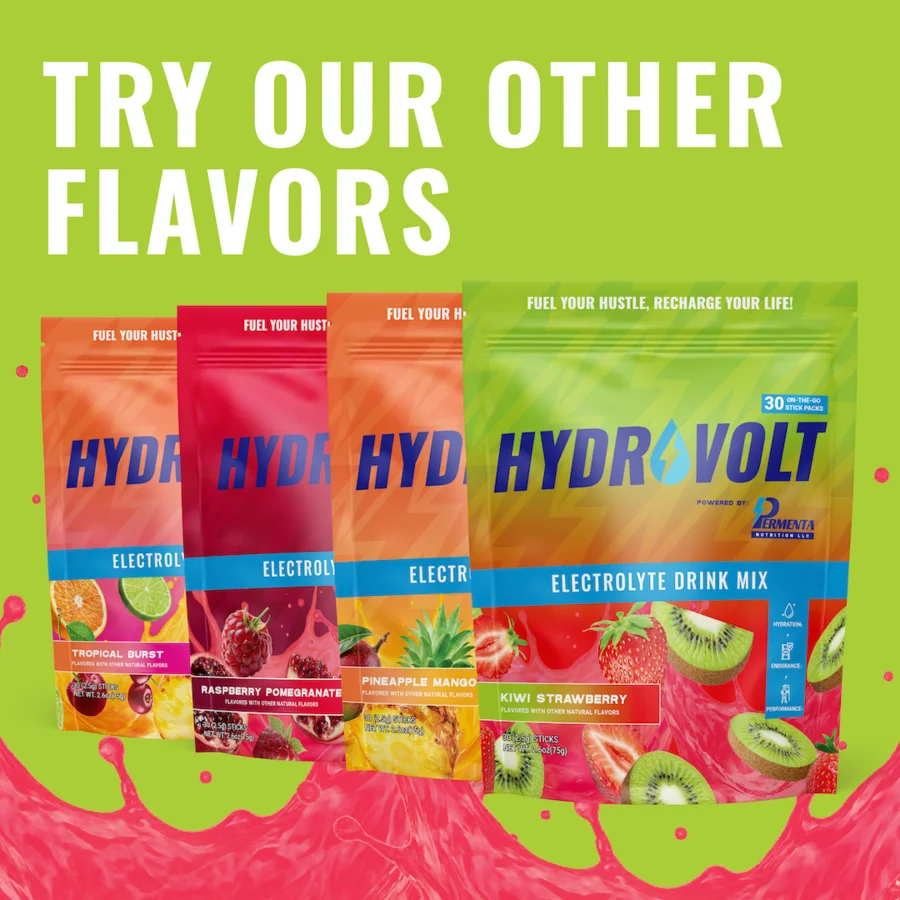
Hydrovolt can be one clean electrolyte option inside a broader hydration program. It should not be framed as a compliance tool, a heat illness treatment, or a replacement for water, rest, shade, cooling areas, training, or employer policy.
For buyers, the useful comparison is simple: portable stick packs, no added sugar, no artificial dyes, and transparent serving-level minerals can make it easier to stock an option crews will actually use.
Next step
Use this checklist as the first article in the Worksite Hydration hub, then build crew-specific guides around shift length, heat, PPE, and beverage label comparisons.