
Learn how aerobic and anaerobic energy systems show up during heavy labor, heat, lifting, and long shifts.
This article is educational and is not medical advice. Anyone managing a medical condition, injury, medication, or youth training program should work with a qualified professional.
The simple difference
Aerobic work relies heavily on oxygen-supported energy production and usually lasts longer at a sustainable pace. Anaerobic work is shorter and more intense, relying more on stored fuel that can support powerful bursts.
Both systems are always contributing. The question is which one is doing more of the work at a given intensity and duration.
- Aerobic: longer duration, steadier breathing, repeatable pace.
- Anaerobic: brief, intense, powerful efforts with more recovery needed.
Where each system shows up
Hard physical work is training stress whether it happens in a gym or on a jobsite. The difference is that labor often comes with heat, PPE, repeated lifting, long hours, and limited control over rest.
Understanding the energy system makes it easier to pick the right training tool instead of using the same workout for every goal.
- Aerobic: walking a large site, carrying light tools over time, repeated stair or ladder access.
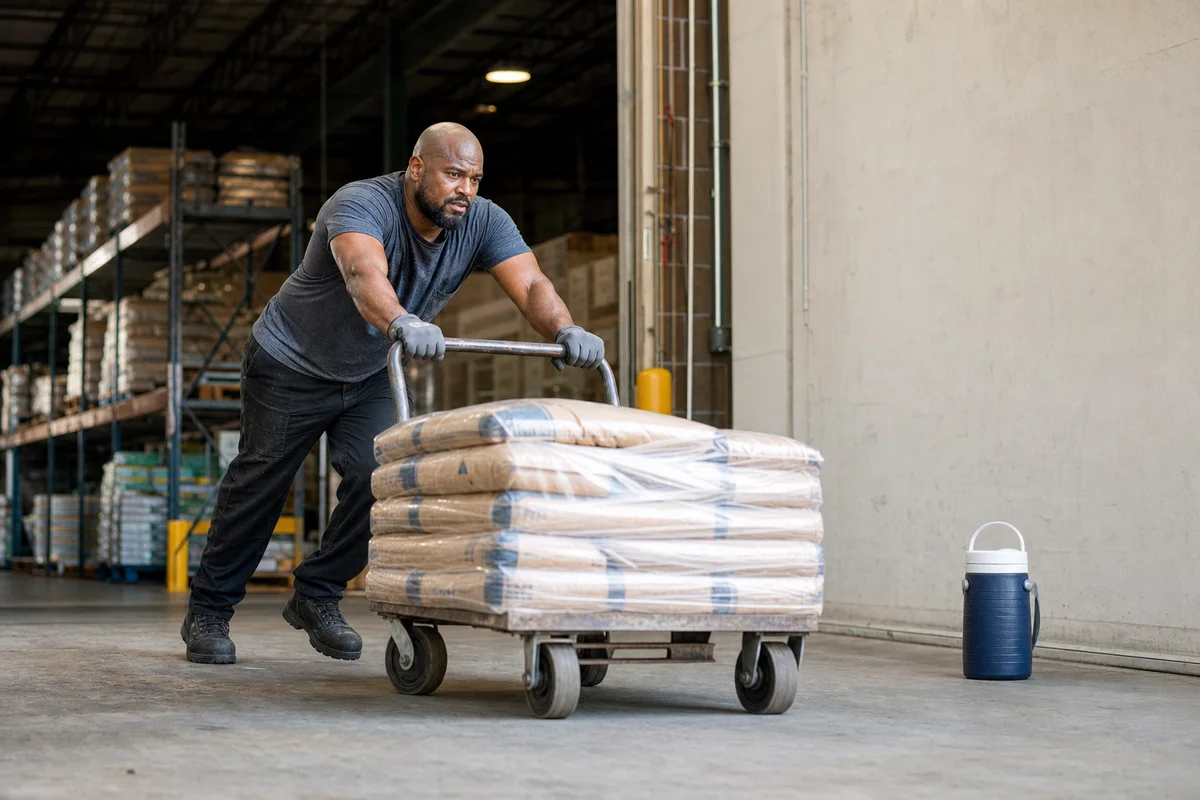
- Anaerobic: heavy lifts, fast carries, short bursts, pushing or pulling equipment.
- Mixed: long hot shifts with repeated high-effort tasks.
Why recovery changes with intensity
Short intense efforts can create fatigue quickly even when the total workout is short. Longer aerobic efforts can feel easier moment to moment but still drain energy, fluids, and attention when duration climbs.
For crews and solo workers, hydration planning should sit beside workload planning. Water, rest, shade, and electrolyte-containing fluids when needed matter more as heat, duration, and sweat rate rise.
How to train both without overdoing it
A balanced plan usually includes more easy-to-moderate aerobic work than all-out work. High-intensity sessions are useful, but they need spacing.
- Use easy aerobic work to build repeatable capacity.
- Use hard anaerobic work for speed, power, or performance.
- Avoid making every session a test.
- Add intensity gradually when recovery is stable.
What this means for hydration
Hydration needs are shaped by duration, heat, sweat rate, and intensity. Short easy sessions may only need water. Longer sessions, repeated practices, hot jobsites, or high-sweat workouts may benefit from electrolytes.
For jobsite-focused education, visit the Worksite Hydration hub or review Hydrovolt as one clean electrolyte option for long, hot, high-sweat days.
Common mistakes to avoid
- Making every session hard instead of separating easy, moderate, and hard days.
- Adding volume, load, and intensity at the same time.
- Ignoring sleep, meals, and hydration until performance drops.
- Treating a heavy workday as if it does not count as physical stress.
Quick checklist
- Use aerobic work for repeatable capacity.
- Use anaerobic work for power and short high-output efforts.
- Space intense sessions so they can actually be high quality.
- Hydrate based on heat, sweat, and duration.
- Account for jobsite heat, PPE, lifting, walking, and shift length before adding extra training.
FAQ
Is anaerobic training bad?
No. Anaerobic training is useful for power, speed, and high-output efforts. The problem is using high intensity too often without enough recovery.
Do I need both aerobic and anaerobic training?
Most people benefit from both, but the ratio depends on the goal. Aerobic work supports repeatability, while anaerobic work supports brief powerful efforts. For labor-intensive workers, the answer should also account for shift demands, heat exposure, PPE, and total weekly fatigue.
Permenta takeaway
For jobsite-focused education, visit the Worksite Hydration hub or review Hydrovolt as one clean electrolyte option for long, hot, high-sweat days. The goal is not to overcomplicate fitness; it is to make training, hydration, and recovery easier to repeat.